- Home |
- News |
- MUSOM News |
- Medicine extends beyond scientific knowledge. Patients remember compassion, humility.
Becoming a physician is usually associated with years of education, difficult exams, long nights and the responsibility of caring for others. Those things are certainly part of the journey, but not what I will remember most about medical school. It is not what we accomplished, but how we showed up for one another while accomplishing it.
When our class arrived at Marshall four years ago, we entered as strangers from different backgrounds, experiences and places. Some classmates came from West Virginia communities much like the ones we would eventually serve. Others traveled from across the country, including Alaska. Many had already built impressive careers before medical school. Some held PhDs or PharmD. Others had worked in research, global health or healthcare leadership. Despite the accomplishments represented in that room, what stood out most to me was not competition. It was humility and support.
That culture is something special about Marshall.
Over the past four years, I have watched classmates consistently choose kindness, mentorship, encouragement and teamwork. Some of the best moments did not happen in lecture halls or during exams, but during the quieter moments in between: classmates checking in on one another after difficult rotations, families bringing food to exhausted students preparing for boards, long nights studying together at the Wellness Center and hospital library and countless reminders that none of us were expected to get through this journey alone.
Medicine is described as demanding, and that is true. There are moments of uncertainty, exhaustion and self-doubt that every student eventually encounters. But one of the greatest lessons I learned at Marshall is that resilience in medicine is rarely an individual achievement. It is built through community.
That lesson became especially clear to me during a recent international medicine rotation in Malawi. After complications with my travel plans left me stranded before departure, I remember feeling frustrated and defeated. What I will never forget, however, is that my classmates immediately chose to solve the problem together rather than simply continue the trip without me. It may seem like a small moment, but to me it perfectly represented the kind of people my classmates are.
They are people who show up for others.
As I reflect on what becoming a physician means to me, I realize more and more that medicine extends far beyond scientific knowledge or clinical skill. Those things matter deeply, but patients also remember compassion, humility, presence and the feeling that someone genuinely cared for them during vulnerable moments in their lives.
I have been fortunate to learn from faculty and mentors who modeled those qualities every day. I have also been incredibly fortunate to learn alongside classmates who reminded me constantly that medicine is a team effort and caring for one another is just as important as caring for patients.
Soon, the Class of 2026 will leave Marshall and begin residency training across the country. While our paths may take us to different hospitals and communities, I know the values that shaped us here will continue forward with us.
No matter where medicine takes us next, part of us will always belong to this school, this community, and the people who helped us become who we are today.
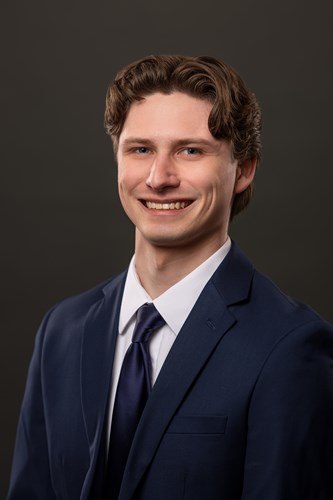
Alec Phelps, M.D., is president of the 2026 graduating class from the Marshall University Joan C. Edwards School of Medicine. He will complete his anesthesiology residency at the University of Louisville in Louisville, Kentucky.
This guest column was originally published in The Herald-Dispatch.
Date Posted: Sunday, May 10, 2026